June 4, 2026
Commercial properties face unique challenges when it comes to managing waste, as the volume and complexity of the wastewater generated far exceed typical residential levels. A disruption in waste management can quickly become a significant operational hurdle, creating unpleasant environments for employees and customers alike while bringing daily activities to a halt. Property managers and business owners must prioritize the infrastructure that operates behind the scenes to keep their facilities functioning optimally. Investing in reliable septic tank services is a crucial component of comprehensive facility management. Unlike municipal sewer connections, independent waste systems require a proactive approach to ensure continuous functionality and to avoid sudden, catastrophic failures. Neglecting this vital infrastructure often leads to extensive damage, temporary business closures, and significant financial burdens. By implementing a consistent maintenance strategy, businesses can protect their investments, safeguard the health of their occupants, and ensure that their operations continue to run smoothly day after day.
Understanding Commercial System Differences
Commercial waste systems operate on a massive scale, designed to handle continuous and high-capacity usage. A bustling restaurant, large office complex, or sprawling retail center generates vast amounts of wastewater daily, demanding robust infrastructure and frequent attention. These systems often incorporate specialized components such as grease traps, heavy-duty pumps, and expansive drain fields to manage the heavy load effectively. Because of this increased complexity and volume, standard maintenance approaches fall short. Facility managers must recognize that commercial setups undergo accelerated wear and tear, making routine professional inspections indispensable. Engaging in professional septic tank services ensures that these heavy-duty components receive the specialized care they require. Without this specialized attention, the rapid accumulation of solids and grease can quickly overwhelm the system, leading to slow drains, backups, and extensive internal damage that requires highly invasive repair work to resolve.
Preventing Costly Plumbing Emergencies
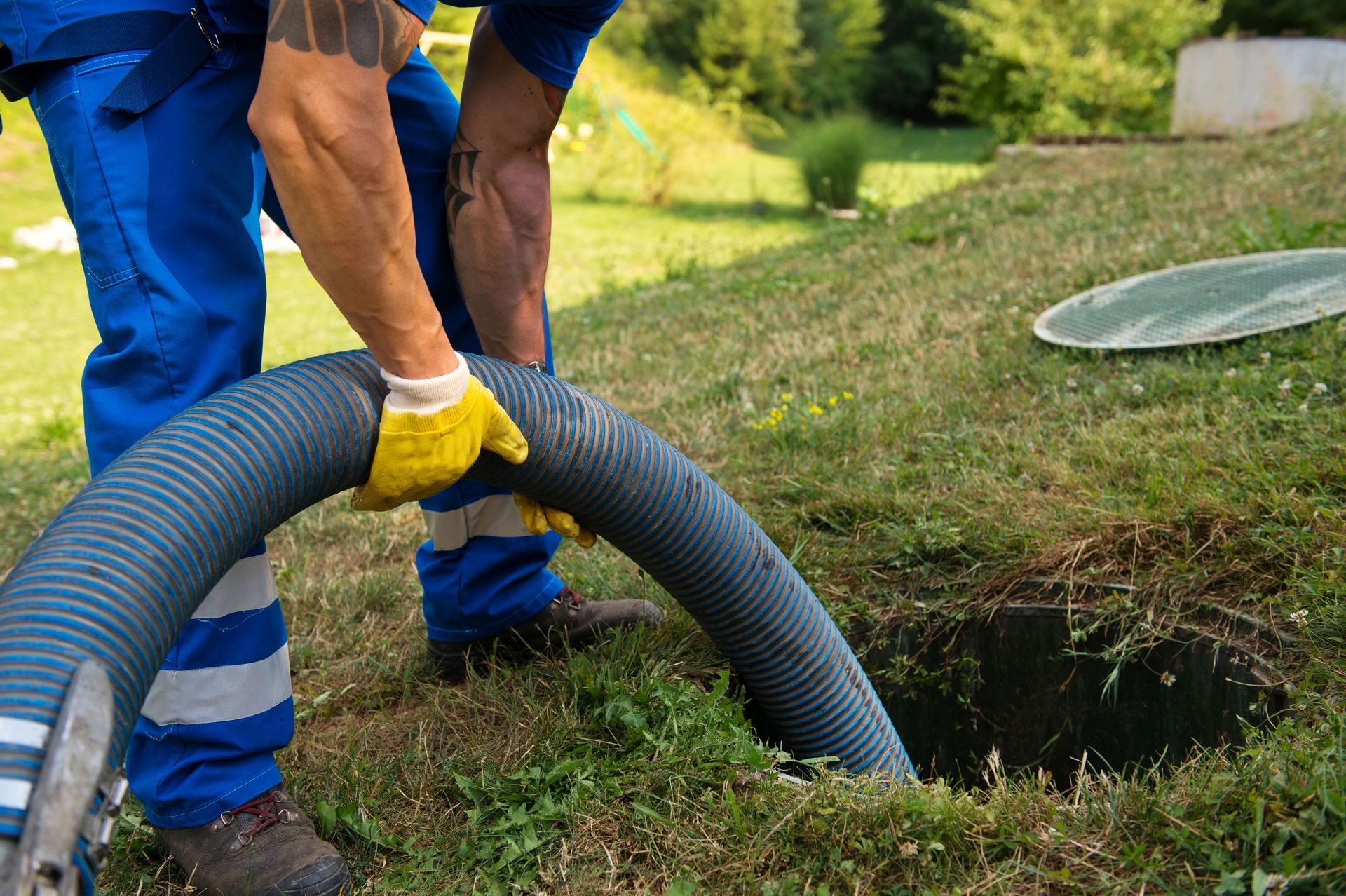
A plumbing emergency is a nightmare scenario for any business, capable of shutting down operations entirely and driving customers away. When a waste system fails, the resulting backup can cause extensive property damage, destroy inventory, and require professional biohazard cleanup. The financial impact of such an event extends far beyond the immediate repair costs, encompassing lost revenue during downtime and potential damage to the brand's reputation. Proactive maintenance is the most effective strategy for preventing these disastrous occurrences. By scheduling regular septic tank services, businesses can ensure that tanks are pumped before they reach critical capacity. Routine pumping removes the accumulated sludge and scum layers that threaten to clog delicate drain field lines. Addressing minor wear and tear before it escalates into a full-system failure saves businesses from experiencing the staggering costs associated with sudden breakdowns.
Maintaining Operations Without Interruption
Consistency and reliability are the cornerstones of successful commercial operations. Any facility issue that forces a temporary closure directly impacts the bottom line and disrupts the workflow of employees and clients. Waste management systems are critical in this regard, as functional restrooms and clear drainage are basic requirements for keeping a building open to the public. Facilities that rely on independent waste infrastructure must integrate system care into their overarching operational strategy. Scheduled maintenance visits can be arranged during off-hours to ensure that the work does not interfere with daily commerce. A well-maintained system operates silently in the background, allowing business owners to focus entirely on growth and customer satisfaction. Committing to a consistent schedule of inspections and pumping guarantees that the facility remains fully operational, welcoming, and safe for everyone who walks through the doors.
Recognizing Signs of Failing Equipment
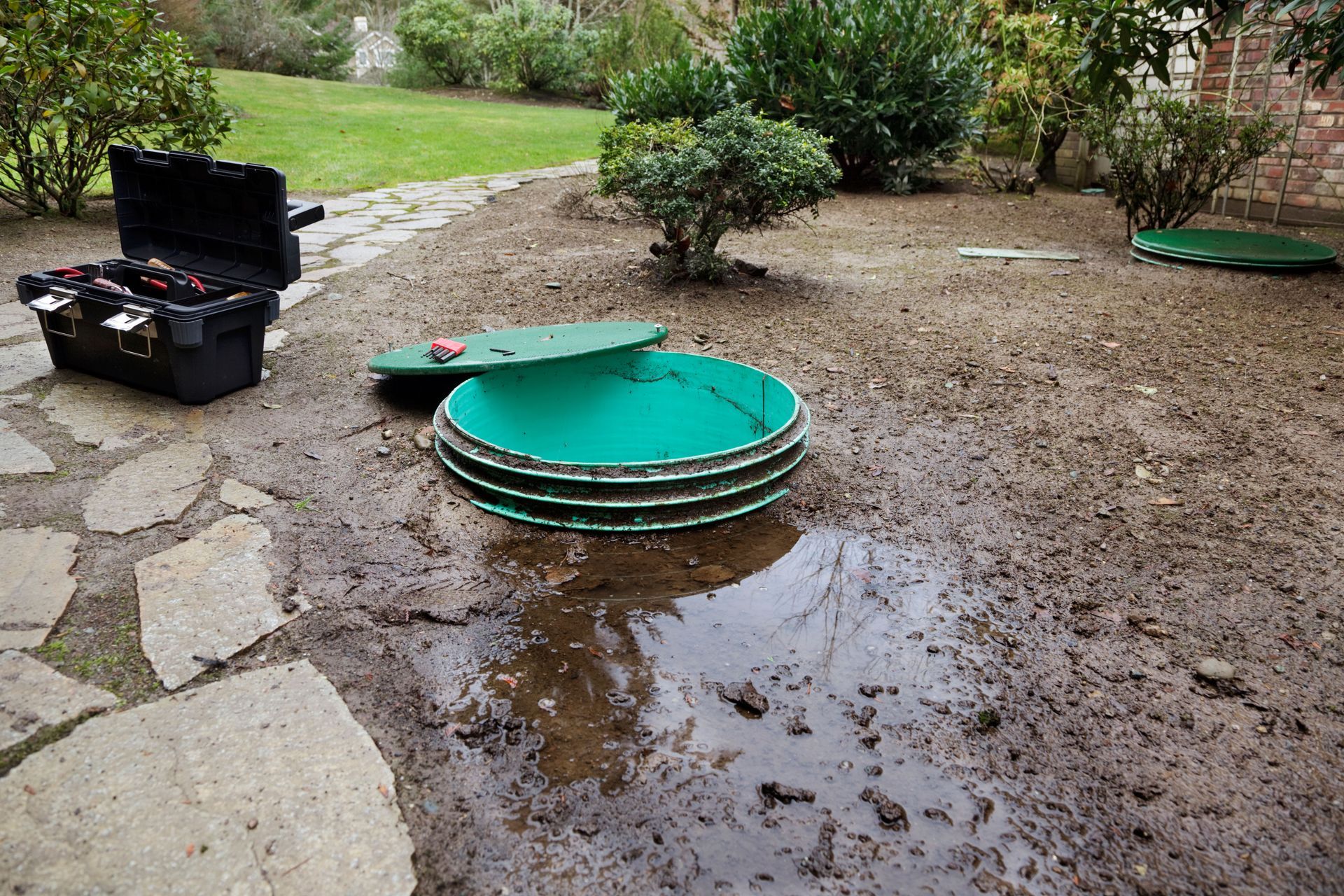
Catching issues early is paramount to avoiding extensive damage and maintaining a hygienic commercial environment. Facility managers should train staff to identify the subtle warning signs that indicate a waste system is struggling to keep up with demand. Slow-draining sinks, gurgling sounds from pipes, and persistent foul odors lingering around the property are clear indicators that the system requires immediate professional attention. Additionally, unusually lush or soggy patches of grass near the drain field suggest that wastewater is rising to the surface. It is vital to address these symptoms promptly rather than hoping they resolve on their own. According to the California Institute for Water Resources, over 66% of septic issues in California stem from a lack of maintenance or outdated systems. Ignoring early warning signs inevitably leads to total system failure, which requires extensive excavation and total replacement.
Protecting Environmental Health Standards
Commercial enterprises bear a significant responsibility to protect the local environment and the surrounding community from contamination. A failing waste system poses a severe threat to local groundwater, nearby streams, and the overall ecological balance of the area. Untreated wastewater contains harmful pathogens and various chemical compounds that can devastate local habitats and compromise drinking water sources. Businesses that neglect their infrastructure risk causing extensive environmental damage, which can lead to severe public backlash and permanent damage to their corporate image. Utilizing routine septic tank services ensures that all wastewater is adequately treated and safely dispersed into the soil. A properly functioning drain field acts as a natural filter, removing impurities before the water rejoins the local aquifer. By taking waste management seriously, commercial properties demonstrate a strong commitment to environmental stewardship.
Ensuring Regulatory Code Compliance
Local health departments and environmental agencies enforce strict regulations regarding commercial waste management to safeguard public health. Businesses are required to adhere to these codes, which often mandate specific maintenance intervals, detailed record-keeping, and periodic inspections by certified professionals. Failing to comply with these regulations can result in hefty fines, legal disputes, and even the mandatory suspension of business operations until violations are corrected. Navigating this complex regulatory landscape requires a partnership with knowledgeable professionals who understand regional requirements. Regular inspections provide facility managers with the necessary documentation to prove compliance during official audits. Staying ahead of regulatory demands not only protects the business from punitive actions but also ensures that the system is operating at the required safety standards. Proactive compliance is a far more cost-effective approach than attempting to resolve severe violations after an official citation.
Choosing Professional Maintenance Partners
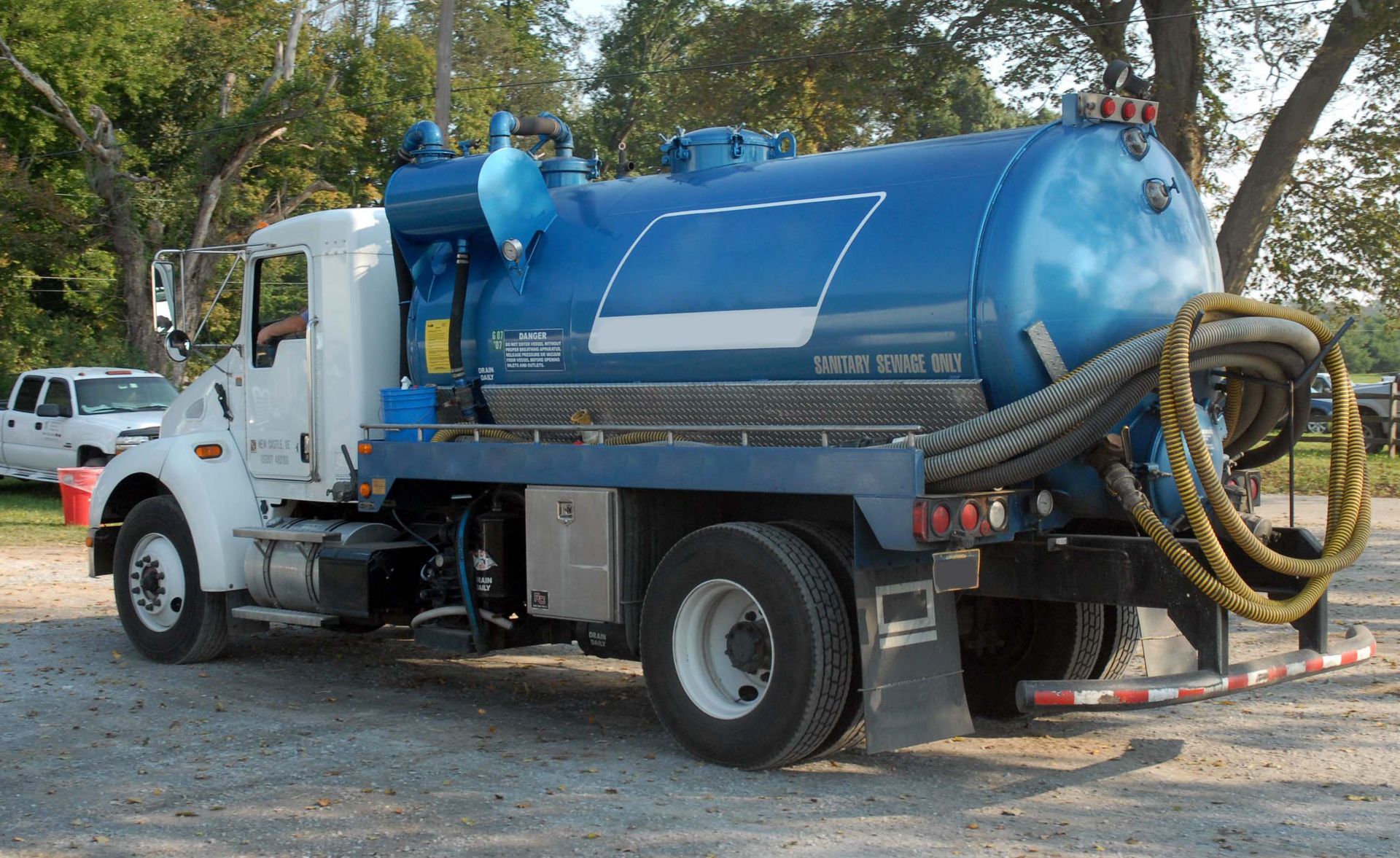
The complexity of commercial waste systems demands the expertise of highly trained professionals. Facility managers should seek out contractors who possess a deep understanding of heavy-duty infrastructure and the unique demands of high-volume usage. A reliable contractor will offer comprehensive evaluations, transparent communication, and tailored maintenance plans that align with the specific needs of the business. It is essential to partner with a company equipped with the right tools, commercial-grade pumping trucks, and a thorough understanding of local environmental codes. Investing in high-quality septic tank services provides peace of mind, knowing that the property's vital infrastructure is in capable hands. Establishing a long-term relationship with a trusted provider ensures that they become familiar with the system's history, allowing for more efficient troubleshooting and a faster response time during unexpected emergencies.
Keeping a commercial property running smoothly requires attention to every detail, especially the critical systems that operate entirely out of sight. A healthy and functional waste management system is the backbone of a safe, hygienic, and welcoming business environment. By acknowledging the unique demands of commercial infrastructure and prioritizing proactive care, property managers can avoid disastrous plumbing emergencies and maintain uninterrupted operations. Regular maintenance protects the surrounding environment, ensures strict adherence to local health codes, and ultimately saves the business from exorbitant repair costs. Business owners should view routine septic tank services not as a burdensome expense, but as a vital investment in the longevity and reliability of their commercial enterprise. Taking action today prevents the messy, disruptive, and costly emergencies of tomorrow. Call Peninsula Septic Service Inc today to learn more about our septic tank services and secure the future of your facility.